The Critical Importance of Self Exclusion in Live Dealer Gambling Environments
Within the sophisticated architecture of modern online gambling ecosystems, the live casino vertical represents the apex of immersive, real-time wagering. For players who recognize the early warning signs of impaired control—chasing losses, escalating stake sizes, or the dissolution of time boundaries—the mechanism of self exclusion live casinos serves as the most decisive and legally binding instrument of player protection. This is not a matter of casual account closure; it is a formal, irrevocable contractual directive that compels operators to deny access to all real-money live dealer tables, including immersive roulette streams, live baccarat salons, and interactive blackjack studios. The technical execution of such a request triggers an immediate flag within the operator's player account management system, effectively nullifying the ability to place wagers or claim promotional credits. 🛑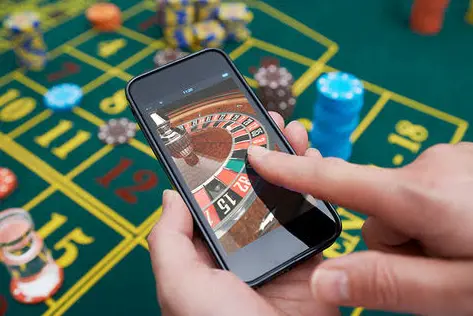
Distinguishing Self Exclusion from Temporary Time-Out Protocols
Industry professionals must clearly delineate between a cooling-off period and a permanent self-exclusion mandate. A time-out typically spans 24 hours to six weeks, functioning as a brief sabbatical from live dealer action. Conversely, a self-exclusion request—particularly under the jurisdiction of reputable licensing bodies—carries a minimum duration of six months, often extending to five years or indefinite. The operational distinction is paramount: once a self-exclusion is activated, the operator must deploy automated blocking protocols across all associated skins, apps, and sub-brands. Attempting to circumvent this via a new email address or altered IP address constitutes a breach of terms, granting the operator the right to confiscate any subsequent winnings. This legal posture is designed to remove the incentive for circumvention and reinforce the gravity of the commitment. 🔒
Navigating the Multi-Operator and Multi-Jurisdictional Exclusion Landscape
A singular request to one live casino platform is insufficient for comprehensive protection. The modern gambling landscape is interconnected through shared liquidity pools and third-party game aggregators. Therefore, a robust self-exclusion strategy necessitates engagement with national or regional exclusion registers. For instance, within mature regulated markets, players can submit a single application to a central authority that then disseminates the directive to every licensed operator. This cross-operator mechanism ensures that a player cannot simply migrate to a different live dealer studio to resume wagering. The verification process involves strict identity checks, including Know Your Customer protocols, to prevent fraudulent exclusion requests or unauthorized third-party submissions. The efficacy of this system hinges upon the player's full disclosure of all active accounts and aliases to the regulatory body. 🌐
Technical Implementation and the Role of Responsible Gambling Departments
From a back-end perspective, the execution of a self-exclusion triggers a cascade of automated actions. The responsible gambling team receives an encrypted notification, the player's account status shifts to "blocked," and any pending withdrawal requests are expedited to prevent funds from being trapped. Furthermore, the marketing automation systems are scrubbed to eliminate the player from all future SMS, email, and push notification campaigns. Some advanced platforms employ behavioral analytics to detect evasion attempts, such as rapid account creation from the same device fingerprint. It is crucial for the player to retain a copy of the exclusion confirmation, as this document serves as irrefutable proof of the directive's activation date and scope. The operator is legally obligated to honor the exclusion from the moment the request is received, not from the moment it is processed. ⚙️
Psychological and Financial Ramifications of Permanent Withdrawal
The decision to pursue a permanent self-exclusion from live dealer environments is a profound acknowledgment of the risks associated with high-frequency, high-stakes wagering. Unlike slot machines, which operate on random number generators, live casinos leverage social pressure and real-time dealer interaction to accelerate decision-making and impair judgment. By initiating an exclusion, the player eradicates the possibility of impulsive re-entry during moments of vulnerability. Financially, this eliminates the "sunk cost" fallacy that often drives players to deposit more funds in a futile attempt to recoup losses. It is a strategic surrender that prioritizes long-term solvency and mental well-being over the transient dopamine rush of a winning streak. 🧠
Enforcement Gaps and the Player's Responsibility in the Exclusion Process
Despite the sophistication of regulatory frameworks, enforcement gaps persist. Unlicensed offshore live casinos may lack the technical infrastructure or willingness to honor exclusion requests, creating a hazardous loophole. Therefore, the player must exercise due diligence by verifying the operator's licensing status prior to initiating the exclusion. If an unlicensed entity refuses to comply, the player's only recourse is to escalate the matter to the licensing authority or a consumer protection agency in the operator's jurisdiction. Additionally, players should consider installing blocking software on their devices as a supplementary layer of defense. The ultimate responsibility for maintaining the integrity of the exclusion rests upon a combination of regulatory oversight, operator compliance, and the player's own commitment to the process. 🛡️